 Photo: Ramon Karolan / Pexels
The Rhythm for a Restorative Three-Day City Break
How to structure a short trip around one daily anchor so you leave with stories, not exhaustion.
You land, drop your bag, and scan a map feeling overwhelmed. By the second evening, you are more tired than when you left work. This happens because you treated a short break as a checklist to check off, not a rhythm to inhabit.
Define Your Single Daily Anchor
The mistake most travelers make is trying to see too much. For a three-day trip, choose exactly one non-negotiable thing for each day. This is your anchor. It could be a specific museum, a long walk along a river, or a particular neighborhood market. Book it if required, but keep it simple.
- Day One: One landmark or main site.
- Day Two: A local food experience or workshop.
- Day Three: A leisurely walk or a favorite café visit.
Embrace the Loose Hours
Everything outside your anchor should be deliberately unstructured. This is where the trip becomes personal. Instead of booking three shows, allow for wandering, sitting, and observing. Let your feet decide where you go after lunch. If a street looks interesting, turn down it. If you feel tired, find a park and rest. This flexibility is what differentiates a restorative break from a rushed tour.
When you remove the pressure to 'maximize' every hour, you begin to notice details you would have rushed past. The pattern of a shop window, the sound of a busker, the smell of fresh bread. These moments create a sense of place that a checklist never can.
Simplify Your Logistics Immediately
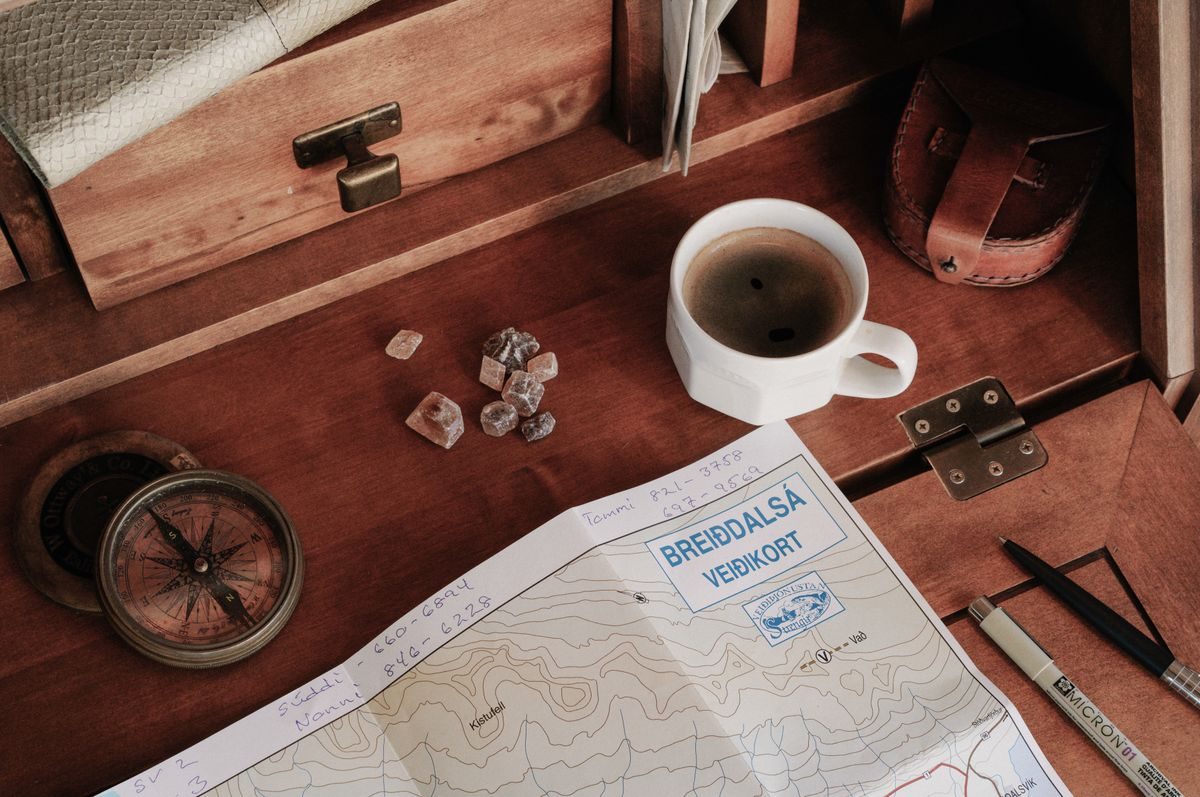
Do not let the first half of your first day be spent solving problems. Before you travel, decide on your transport method. Know how you will get to your lodging and where your anchor is located. Have a printed map or an offline transit app ready. Avoid the trap of trying to optimize your route every time your phone buzzes. The goal is to arrive with your energy intact, not drained by navigation and tickets.
Pack light. Overpacking turns a relaxing trip into a carrying exercise. One bag for everything. If it does not fit, it does not go. Your freedom is directly tied to the weight on your shoulders and the complexity in your mind.
Create Small Personal Rituals
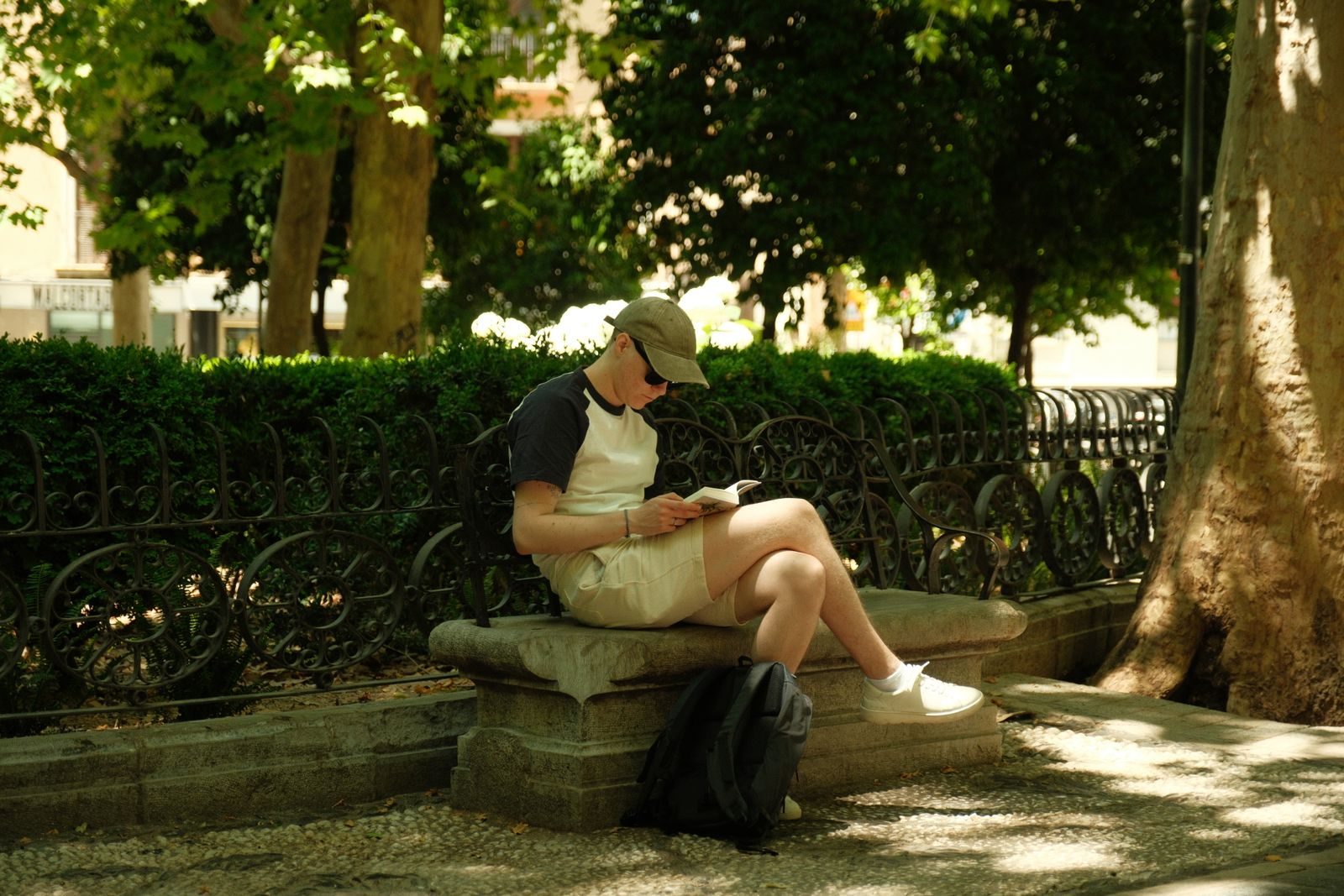
A strange city feels personal when you repeat small actions. Choose one ritual and do it every day. It could be buying a specific pastry for breakfast, walking to a particular bench to read, or taking one photo of something blue. This repetition creates a thread that ties the three days together. It gives you a private narrative that is yours alone.
These rituals do not need to be grand. They are anchors for memory. When you return home, you will not remember the order of the buildings, but you will remember the taste of the pastry or the view from the bench. This is how you build a story rather than a spreadsheet.
Protect Your Morning Energy
Mornings are your sharpest resource. Do not spend them on coffee lines that wander the entire square or on complex breakfast bookings. Eat simply. Eat quickly. Save your mental clarity for the main part of your day. If your anchor is a museum, go in the morning. If it is a walk, do it when the light is best. Align your biological peak with your primary goal.
After your anchor is done, let the afternoon go soft. You have earned the right to be bad at traveling. Sit in a library. Stare out of a window. Let the city happen to you instead of you chasing the city around.
Plan for a Slow Departure
Do not fill your last day with new sights. You will experience them through a fog of fatigue and packing stress. Leave your last anchor for a restorative activity. A long coffee. A final meal in a quiet spot. Use this time to mentally unpack. Jot down what you liked, what surprised you, and what you would do differently next time.
Then, pack early. Do not save packing for the final evening when you are ready to collapse into bed. Leave the hotel with enough time to get to the airport or station without sprinting. The quality of your last hour determines how you return to your normal life.
The goal is not to 'do' the city. It is to 'be' in the city.
Questions people ask
How many places should I visit in three days?
One major anchor per day. That is it. Everything else is impromptu. If you try to force five major sites into a weekend, you will miss the texture of the place and return exhausted.
Should I book everything in advance?
Only book time-sensitive tickets like museums or shows if you are going at a specific time. Do not book meals or general sightseeing. Leave those slots open for spontaneity and choice.
What if I feel bored during the loose hours?
Boredom is a signal to observe, not a signal to find the next activity. Sit down. Watch people. Listen to the street. That is where the real experience of a city lives.