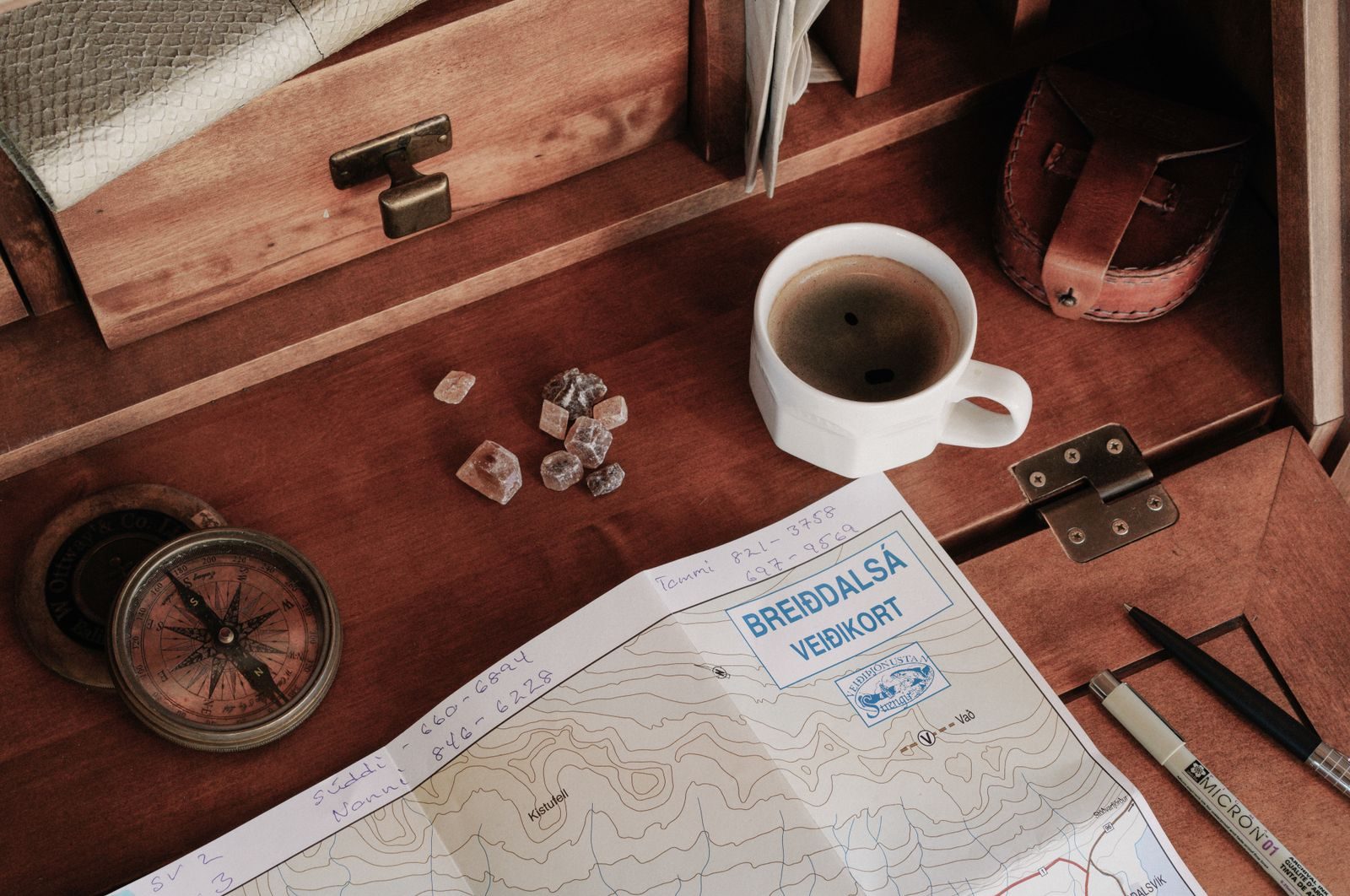
 Photo: ArtHouse Studio / Pexels
How to Plan a Three Day City Break That Rests You
A simple rhythm for short trips that prevents decision fatigue and leaves you with genuine rest.
You arrive at your hotel on a Friday evening, open your laptop, and immediately feel the weight of three full days pressing in. The guidebook says you must see the cathedral, the market, and the museum, so you pace yourself to hit them all. By Sunday night, you are not refreshed; you are just exhausted, having traded one kind of work for another.
The Problem With Packed Itineraries
The fundamental flaw in most short break planning is the assumption that seeing more equals doing more. You feel a compulsion to fill every waking hour with an activity, treating the city like a checklist to be completed. This approach ignores the natural rhythm of travel, which requires time to settle, orient, and simply exist in a new environment.
The result is a sense of perpetual motion. You are constantly deciding where to go next, how to get there, and whether you have enough time. This cognitive load is rarely accounted for in trip plans, yet it is often the primary source of post-trip fatigue. You do not come home tired from walking; you come home tired from managing.
The Single Anchor Method
Instead of a full schedule, choose one single anchor for each day. This could be a specific meal, a particular museum, or a long walk along a river. The anchor gives the day its shape and purpose, but it leaves the rest of the hours deliberately undefined.
- Friday: No anchors. Let the trip settle. Find a cafe, buy a local map, look out the window.
- Saturday: One heavy anchor. The major site, the flagship cafe, or the long hike. Do this when your energy is highest.
- Sunday: A light anchor. A specific park bench, a one-hour market visit, or a bookshop browse. Then, head home.
By committing to only one fixed point a day, you remove the constant micro-decisions of "what next?". The rest of your time becomes fluid. If you are tired, you rest. If you are curious, you wander. The trip adapts to your energy, not the other way around.

Strategic Boredom and Micro Rituals
Embrace the gaps between anchors. These open spaces are where the trip actually happens. Without a rigid schedule, you notice the quality of light on the buildings, the texture of the pavement, or the specific sound of the local traffic. These are the details that a rushed tour group never sees.
Introduce small, repetitive rituals to ground yourself. These do not need to be grand gestures. They might be the same type of coffee ordered each morning, the same corner cafe for lunch, or the same route walked at dusk. These rituals create a sense of consistency in an unfamiliar environment. They signal to your brain that you are settled, reducing the low-level vigilance that usually accompanies being a visitor.

Logistics Before You Land
The feeling of being unprepared is a major disruptor of rest. Eliminate the friction of arrival by handling the logistical basics before you step onto the plane. Know your transit method from the station to your accommodation without planning to check your phone in the crowd. Have your first meal planned, or at least identified, so you are not wandering hungry and disoriented.
This is not about over-planning; it is about removing uncertainty. When you know exactly how to navigate the first four hours, your nervous system can relax. You are not improvising your survival; you are already participating in the rest of the trip.
Curating Your Return Journey
As the trip winds down, resist the urge to pack in one last "can't miss" experience. The Sunday anchor should be gentle. It is a signal to your body that the trip is ending. Book your return travel with a buffer. Arriving home with an hour to spare in the airport or station prevents the frantic rush that turns a relaxing homecoming into a stressful transit.
Use the early part of Sunday to consolidate your memory. Buy one small, unbreakable souvenir that reminds you of a specific moment, not a location. Write down a single sentence about how the city felt. This small act of curation helps you transition from the visitor mindset back to your daily life, ensuring the trip remains a distinct, enjoyable memory rather than a blur of exhaustion.
You do not come home tired from walking; you come home tired from managing.
Questions people ask
How many anchors should I have in a three-day trip?
Stick to one per day. More than that turns the trip back into a schedule. One anchor provides just enough structure to feel productive while leaving ample room for rest and spontaneity.
What if I feel like I missed things?
Missing things is a feature, not a bug. A short break is not a comprehensive survey of a city. The goal is to leave with a sense of having been there, not a list of everything you failed to see.
Can I use this method for business trips?
Absolutely. In fact, it is highly effective for travel that blends work and leisure. One work anchor and one leisure anchor per day creates a clear boundary that prevents the two from bleeding into each other.