Photo: Pixabay / Pexels
The Three-Day City Break Rhythm That Banks Energy
A simple structure to keep short trips feeling restorative instead of exhausting.
You have travelled four hours to stand in queue for a slice that tastes like cardboard. By day two, you are checking maps in tiny, stressed bites. You arrive home with a full gallery but an empty tank. The problem is not the city; it is the absence of a container for your time.
The Trap of Over-Planning
Short trips feel urgent. You want to see everything, so you fill every hour. This creates a feedback loop where you plan to avoid being lost, but the sheer density of appointments makes you feel lost in logis
tics. When one thing runs late, the day collapses. You spend the evening in a café, not relaxing, but recalculating. The goal is to stop treating the trip as a checklist and start treating it as a space.
Set One Anchor, No More
Each day needs a single non-negotiable. This is your anchor: a museum you have waited a year to visit, a specific park bench, or a long lunch. Choose it because it aligns with your mood for the day. Not because it is famous.
Once this is booked or marked, stop. Do not book a second anchor. Two anchors create a corridor you must walk through. One anchor is a pin that holds the sheet. It gives you a destination without a route. You can wander to it, take a detour, or even decide it is not the right fit when you arrive. The anchor organizes the day without owning it.

Loose Ends and Loose Legs
With the morning or afternoon anchored, leave the rest deliberately empty. This is where the trip becomes yours. Walk down the street that looked interesting. Sit on a step and watch the light change. Eat the food that smells good from the corner shop, not the one with the long queue.
- Let boredom decide your next step.
- Follow the sound of music or the smell of baking.
- Choose the longer route home if it looks prettier.

The Rest Hour
Tourism is physically demanding. You are walking more, carrying bags, and adjusting to new light and food. Your body will ask for a full stop, usually around midday or late afternoon. Do not fight this. Do not rush to the next sight to 'make up' for the rest.
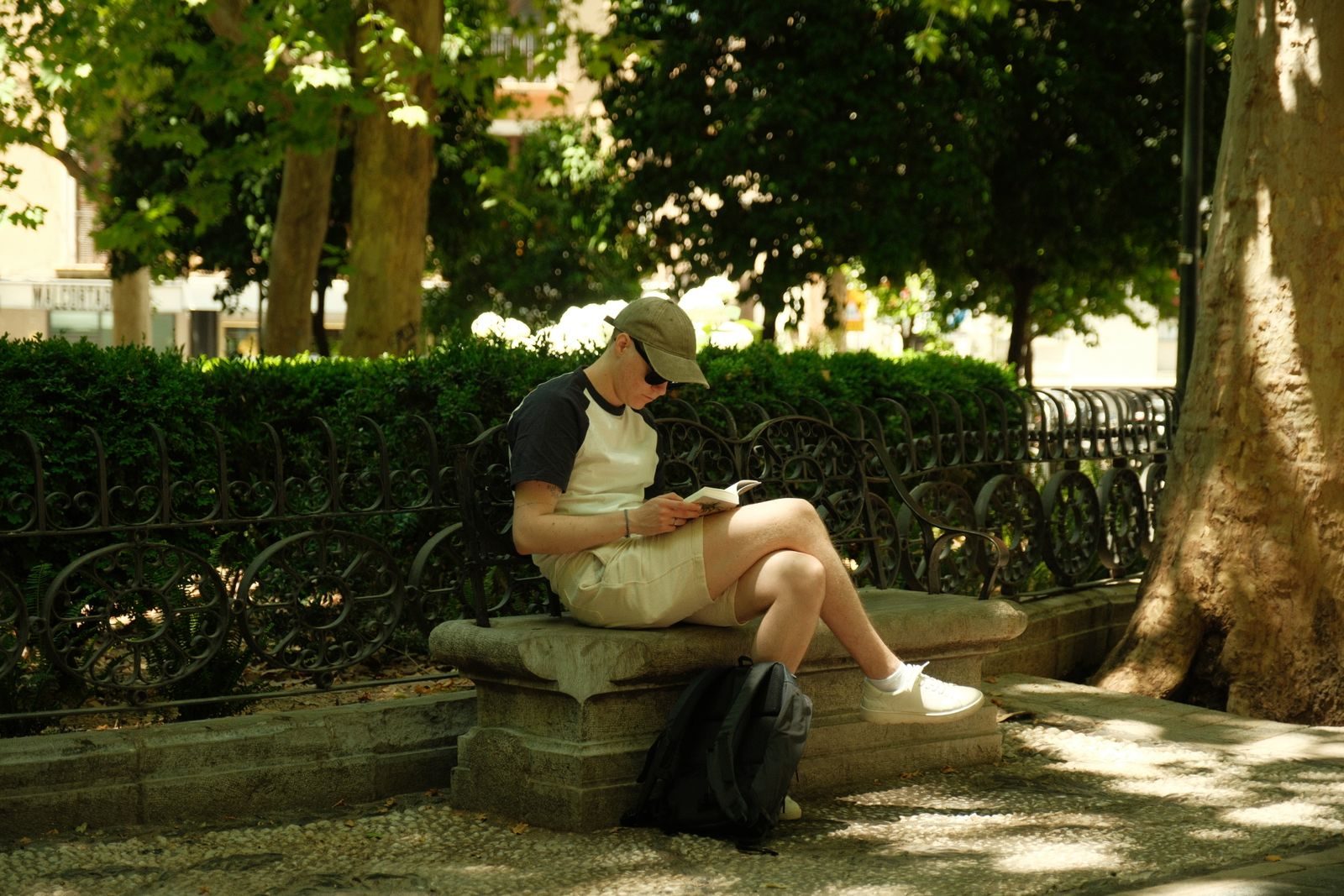
Book or find a quiet hour. A hotel room with the curtains drawn. A tea room with a soft armchair. A bench in a shadowed park. Sit still for an hour. Let your eyes rest. Let your digestion settle. This thirty-to-sixty-minute window resets your nervous system. You will return to the anchor or the loose parts with fresh eyes and clear legs.
Farewell Rituals
The end of a short trip often feels abrupt. You pick up your case and leave, feeling a sudden jolt. Instead, create a small closing ritual. Revisit the specific coffee maker from your morning ritual. Walk the route you took on day one, but in reverse. Notice how the light is different.
This small act of returning helps you file the memories. It turns a sequence of events into a complete story. You are not chasing the last sight. You are gathering the feel of the place. When you step into transport, you are doing so with a sense of completion, not loss.
A full itinerary is a cage; leave white space on the calendar so the day can breathe.
Questions people ask
Does this work for solo travellers?
Yes, often better. Solo travellers have no social pressure to fill every minute. The loose time is where you can buy a book, sit alone, or simply watch the city without the need to perform an experience for others.
What if I am in a city I have visited before?
Use the anchor to explore a different quarter. Do not repeat the same anchor. The loose time allows you to re-visit old favourites or find new corners that you missed the first time. Treat it as a chance to deepen the map, not redraw it.